
Eating, toileting, hygiene and physical wellbeing
Explore the sensory, physical and emotional pressures behind eating, toileting, hygiene and pain, with practical help for everyday care.
What you can find here
- Is selective eating sensory, behavioural or a medical concern?
- When does picky eating become restricted eating?
- Why is toilet training so hard?
- Why does my child avoid bathing, hair washing or teeth cleaning?
- Could pain, constipation or illness be driving behaviour?
Begin with the main Library article
Main Library article
Is my child’s fussy eating sensory, behavioural or a medical concern?
A practical way to separate ordinary food preferences from sensory barriers, swallowing or health concerns and patterns that need feeding or nutritional assessment.
More from the Library
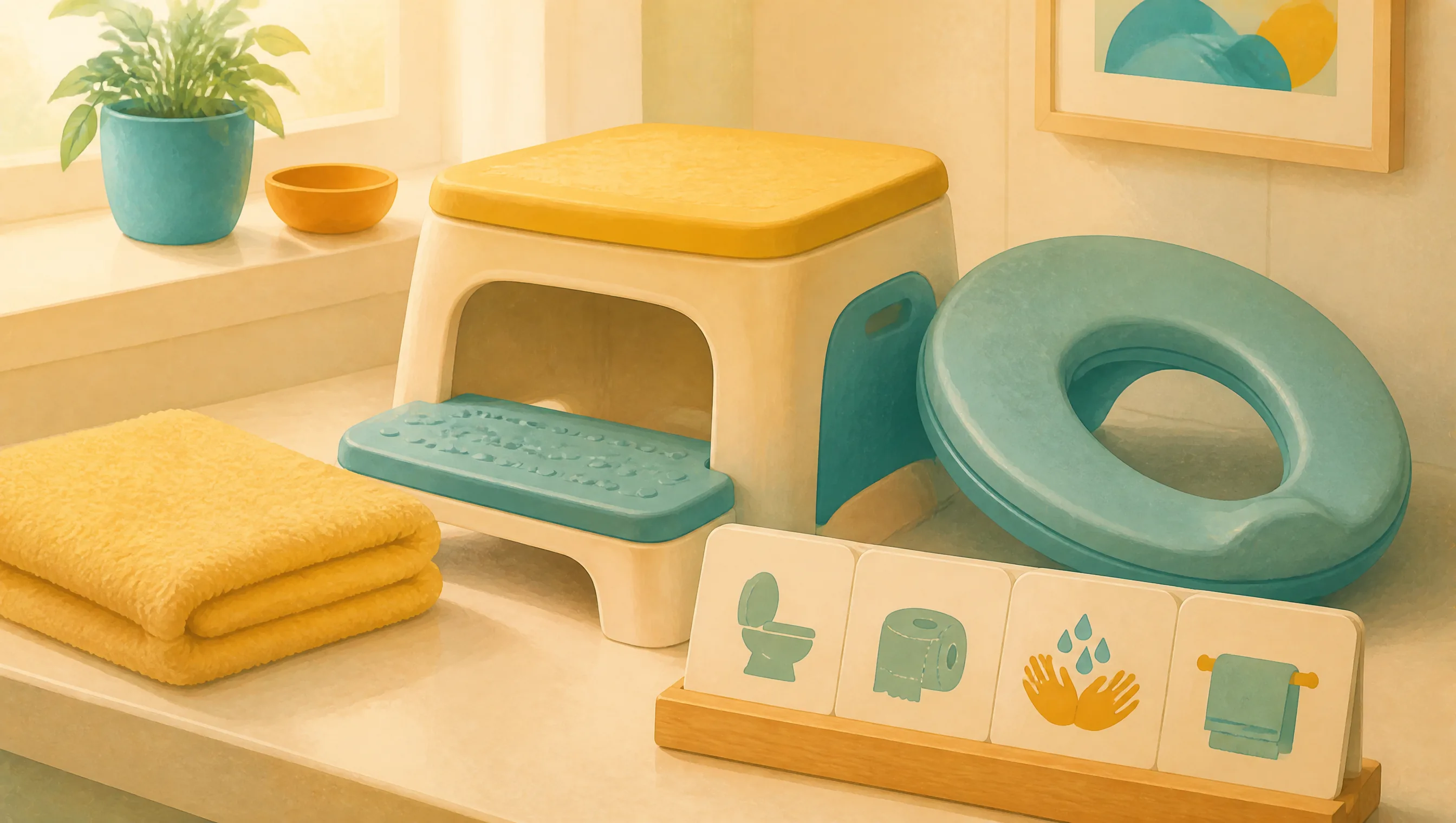
Why is toilet training so hard for my neurodivergent child?
How to separate bowel and bladder health from the sensory, communication, movement and sequencing skills involved in learning to use a toilet.
Written March 2026

Why is my child still wetting the bed, and when should we get help?
How to assess persistent or newly returned bedwetting, reduce its practical impact and ask for treatment without blame or unsafe fluid restriction.
Written March 2026

Why does my child refuse baths, hair washing and teeth cleaning?
How to identify the exact sensory, pain, movement, communication or predictability barrier in personal care and build a workable hygiene routine.
Written March 2026

When does picky eating become restricted eating, and who can help?
How to recognise when limited eating has moved beyond an ordinary phase, document the impact and ask for feeding, nutritional or swallowing assessment.
Written March 2026
Why does my child eat things that are not food?
What pica means, which non-food eating needs medical advice and how to reduce immediate risk while recording the pattern for assessment.
Written March 2026

What should I do about constipation, soiling and toileting accidents?
How to recognise possible constipation behind soiling, seek clinical treatment and build a discreet, non-punitive continence plan across home and school.
Written March 2026

How to take the pressure out of mealtimes without giving up on nutrition
A practical low-pressure mealtime plan that protects current intake, reduces conflict and keeps health or feeding concerns visible.
Written March 2026

How do I ask for reasonable adjustments at a medical appointment?
How to identify the access barrier, request a specific healthcare adjustment in advance and confirm what will happen on the day.
Written March 2026

How do I get my teenager to shower and use deodorant?
A respectful way to establish an effective teenage hygiene routine by separating knowledge, initiation, sensory access, practical skill and privacy.
Written March 2026

Could pain, constipation or illness be behind my child's behaviour?
A practical body-systems check for changed behaviour, with symptom recording, clinical follow-through and urgent boundaries.
Written March 2026
Quick answers from the Blog

What should I do when my child will not use the toilet at school?
How to identify the school-toilet barrier, protect bowel and bladder health and agree a discreet access plan with staff.
Written March 2026
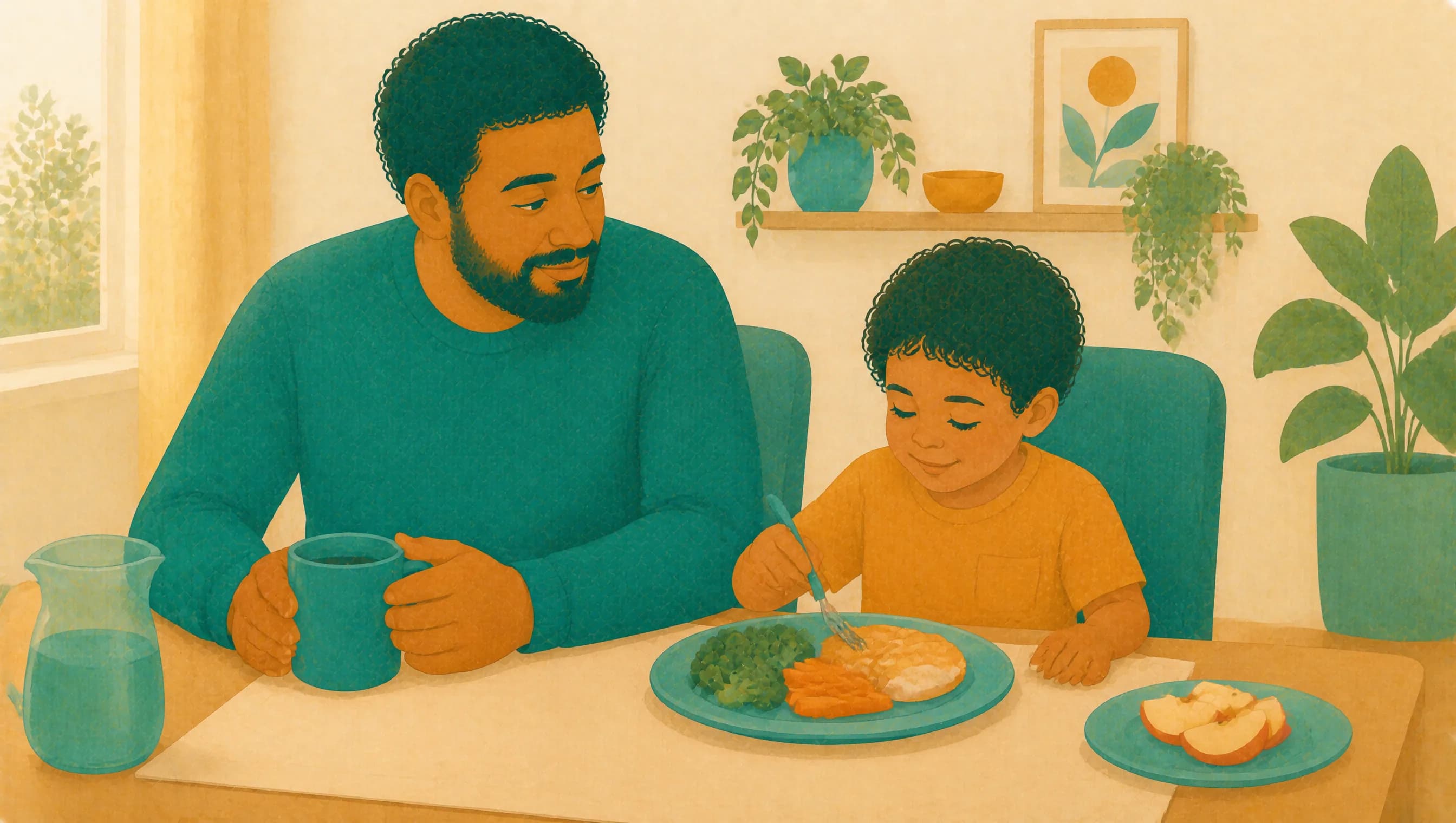
Why will my autistic child only eat a few foods, and what helps?
How to protect a child’s reliable foods, understand what makes eating possible and recognise when restricted eating needs assessment.
Written November 2025

The best ways to handle mealtimes when ADHD medication affects appetite
How to protect nutrition, record the pattern and involve the prescriber when a child eats less after starting or changing ADHD medication.
Written November 2025