
Understanding autism
Understand how autism can shape communication, sensory experience, predictability, interests and everyday life, including presentations that common stereotypes miss.

What you can find here
- How can autistic traits differ from common stereotypes?
- Can an affectionate or sociable child be autistic?
- Why does my child cope at school and fall apart at home?
- What is the autism spectrum?
- Why are autistic girls and verbally able children sometimes missed?
Begin with the main Library article
Main Library article
Understanding autism in children: a parent's guide
A clear guide to what autism can mean for a child, what families may notice, how assessment works and how to offer useful support now.
More from the Library
Why does my child take everything I say literally?
Why indirect, figurative and ambiguous language can be difficult for some autistic children, with practical ways to communicate clearly without talking down.
Written December 2025
Why does my child need to know exactly what happens next?
How uncertainty can affect autistic children, how to provide honest predictability and how to build flexibility without engineering distress.
Written December 2025
Why does my child line things up, rock or repeat the same phrase?
What repetitive behaviour and stimming may do for an autistic child, when to leave it alone and when to look for pain, risk or unmet need.
Written December 2025

Why does my child cope at school and fall apart at home?
Why an autistic child may appear to cope at school but show strain at home, and how families and schools can compare the demands and hidden support.
Written December 2025
Why are autistic girls and verbally able children missed for so long?
Why some autistic children are recognised late, what can sit behind an apparently capable presentation and how to describe concerns accurately.
Written December 2025

What is the autism spectrum, and what does it mean for my child?
Why autism is called a spectrum, why functioning labels can mislead and how to build a more useful picture of an individual child.
Written December 2025
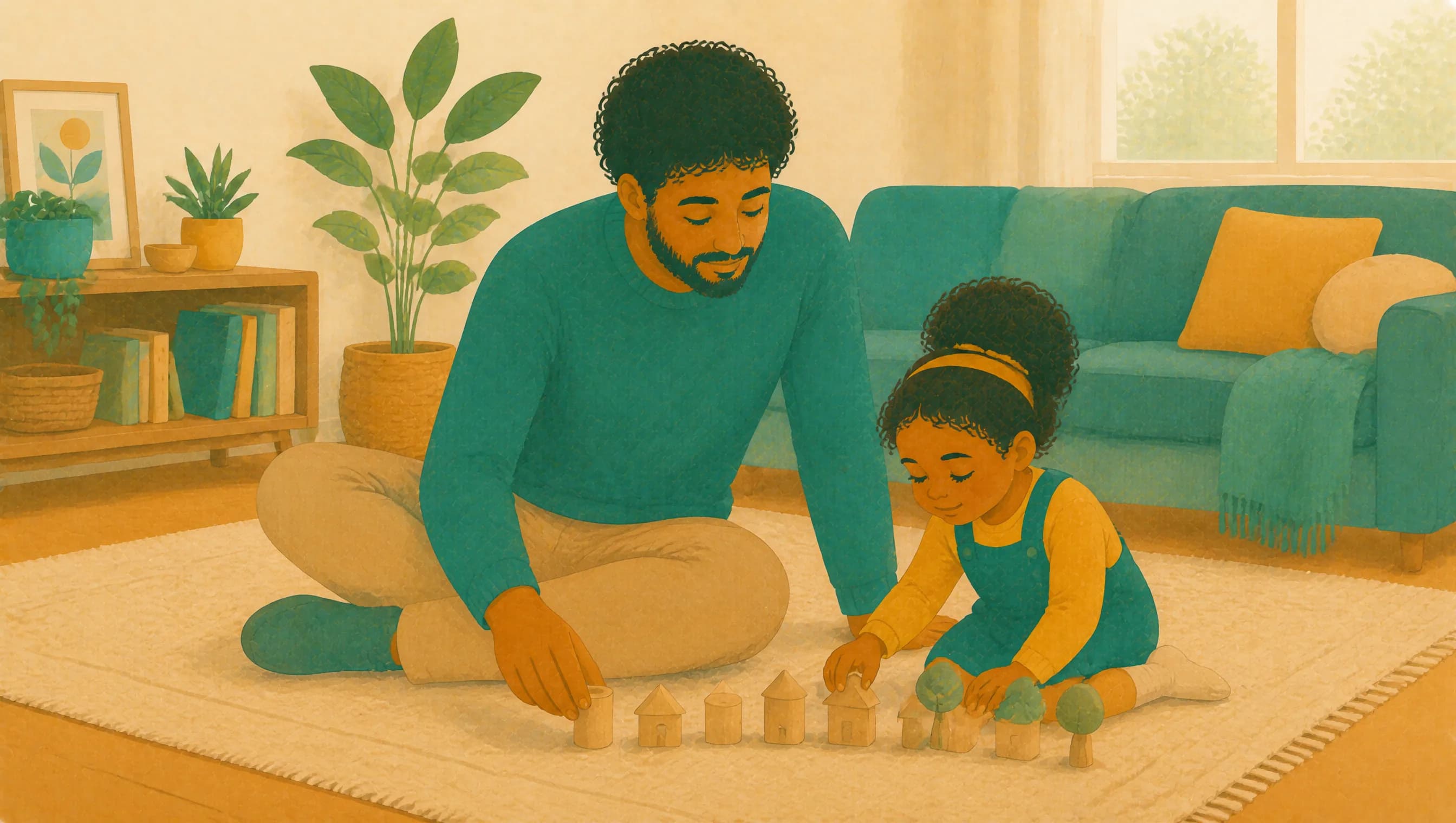
What do parents tend to notice first? Autism in the early years
A developmentally careful guide to possible early signs of autism, what else may overlap and how to raise a concern without trying to diagnose at home.
Written December 2025
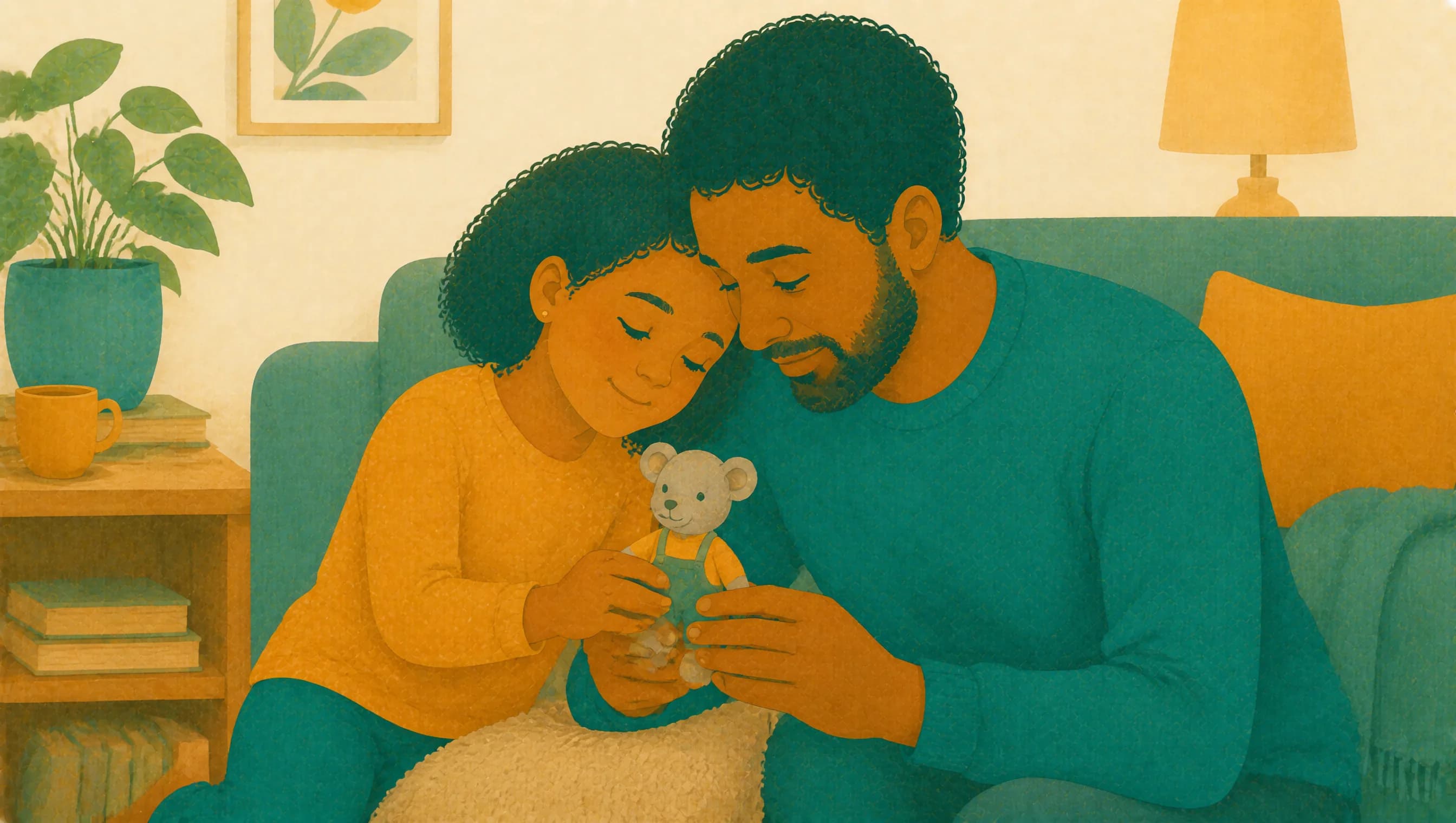
Can my child be autistic if they are affectionate and sociable?
Why affection, eye contact, empathy and wanting company do not rule autism out, and what social communication differences may look like in sociable children.
Written December 2025

Are special interests a problem or a strength?
How to understand an autistic child’s intense interests, protect their value and respond when an interest creates a specific difficulty.
Written December 2025
Quick answers from the Blog
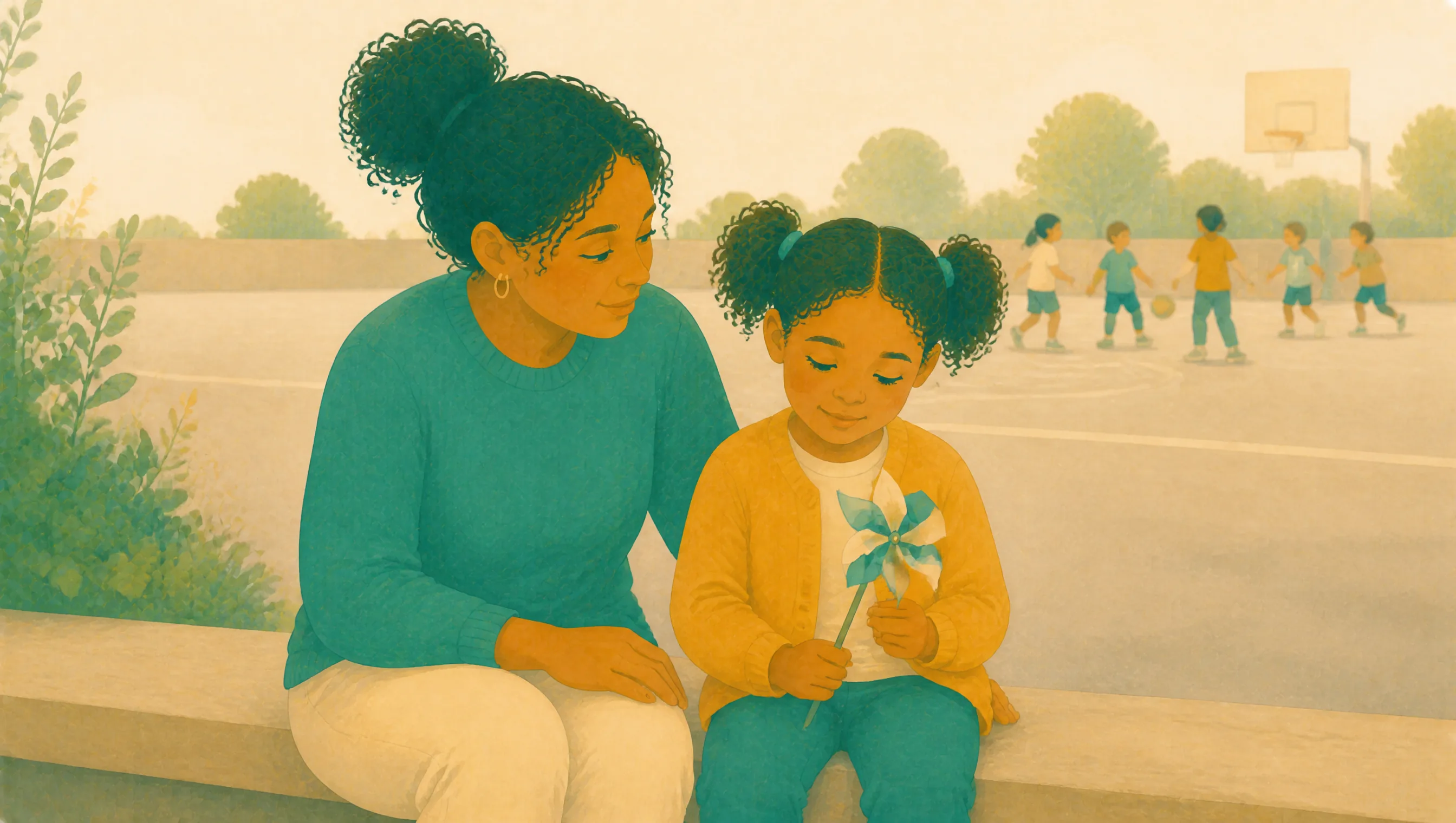
Why is break time harder than lessons for my autistic child?
Why unstructured school time can be demanding for autistic children and how schools can provide choice, clarity and genuine recovery.
Written December 2025

Is it true that autistic children do not want friends?
Why autistic children may want friendship while finding conventional social settings difficult, and how adults can support connection without forcing performance.
Written December 2025
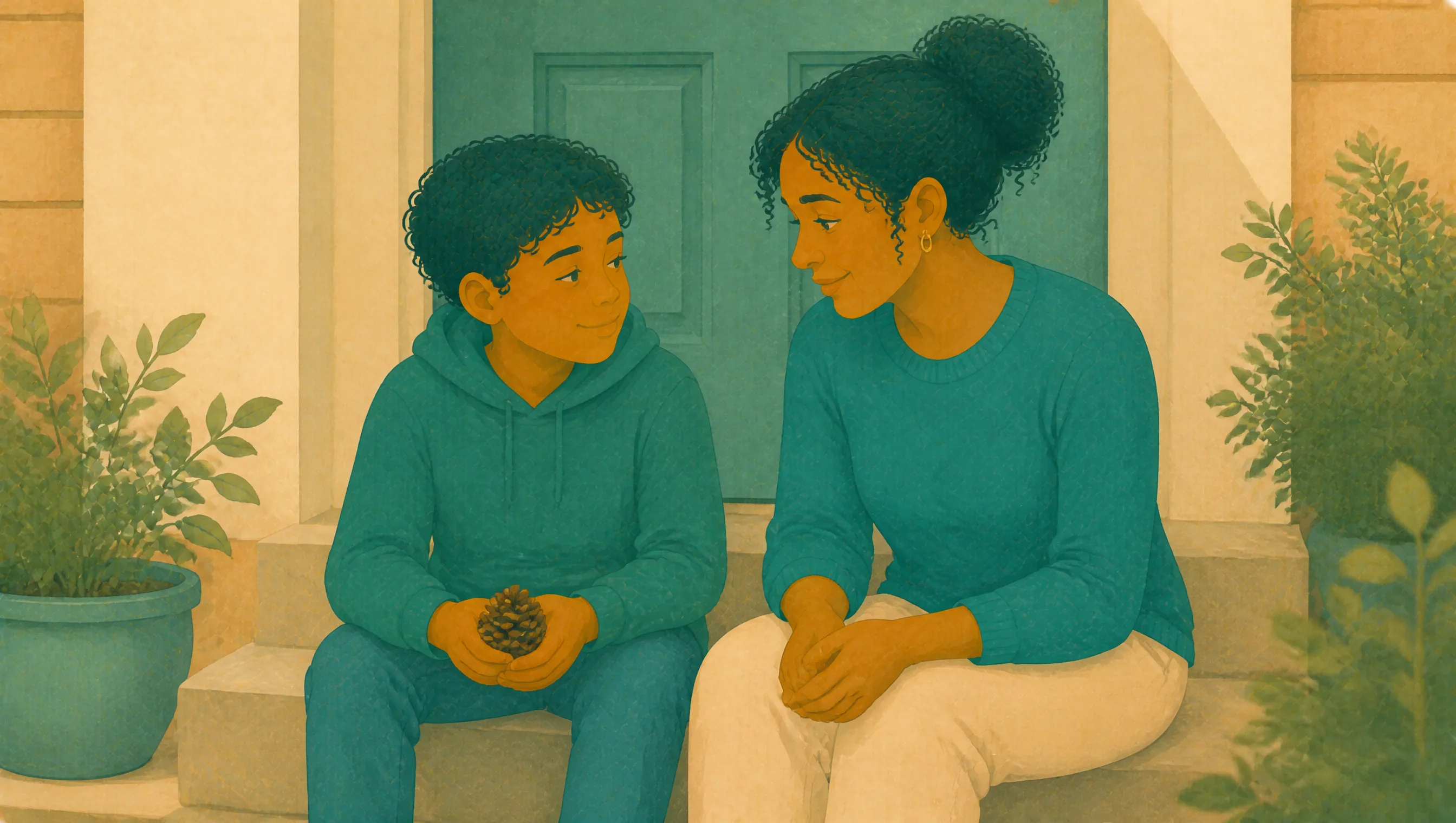
Autistic child or child with autism? What the words mean
Why people use identity-first or person-first autism language, what autistic people tend to prefer and how to follow an individual child’s lead.
Written December 2025